Asphalt Paving Blog

Behind the Scenes of Stabilizing the Asphalt Base at Glen Hills Middle School - CASE STUDY

Posted by J. Mrugacz on Oct 9, 2012

The Base/Subgrade Stabilization Project

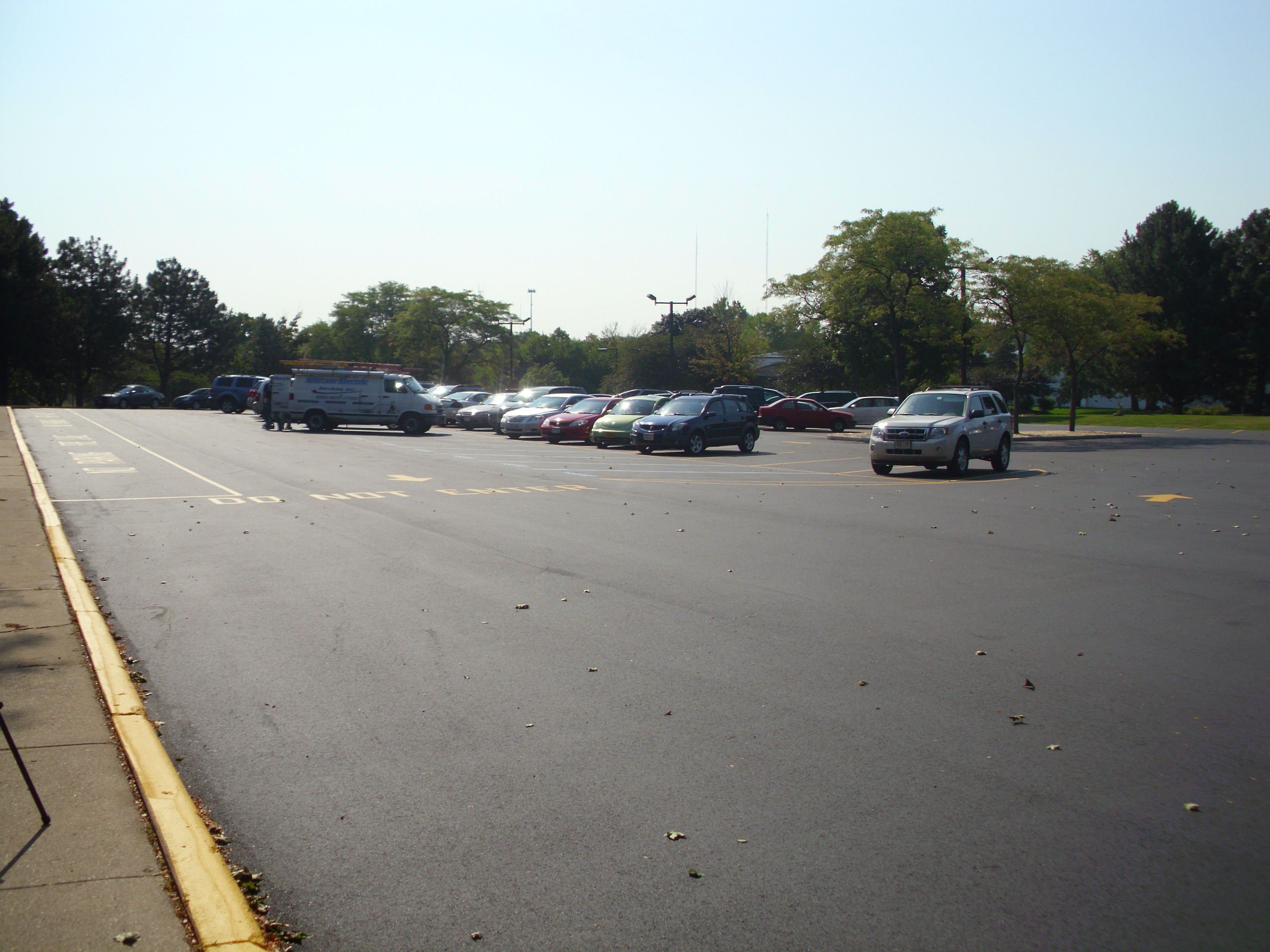
The project starts at 8:00 a.m. on the dot at Glen Hills Middle School. The semi truck carrying the load of cement powder rolls in. About half an hour later, the cement powder starts getting laid over the parking lot that has had the asphalt parking lot that was here pulverized. At this point, all that’s left is the pulverized asphalt and gravel bed mixture.  Now, every square foot gets an application of cement powder at a depth of around 1.5-2” depending on site conditions the day of work.

At 8:55 a.m., the pulverizer starts following behind the cement powder truck.  The pulverizer goes 14” into the existing base material, mixing the powder with the existing base material. Once the two are mixed together, the concrete powder starts reacting, hardening the stabilized base components. It is also at this time that the newly mixed stabilized base is tested for the right moisture. To check for this, a ball of the stabilized base is made and it should fall apart after being bounced in a hand.

How Sealcoating Your Parking Lot Can Save Your Business Money

Posted by J. Mrugacz on Oct 3, 2012

It’s easy in the summer to forget just how hard the winter can be, and therefore it’s easy to forget to prepare for those cold temperatures and heavy snow loads.  But it’s best to be proactive , so now is the perfect time to get ready!  Time is running out, particularly if you haven’t yet applied a sealcoat to your asphalt.

Go Green with Asphalt Shingle Recycling

Posted by J. Mrugacz on Sep 14, 2012

Did you know that the roof over your head might someday be the road under your wheels?

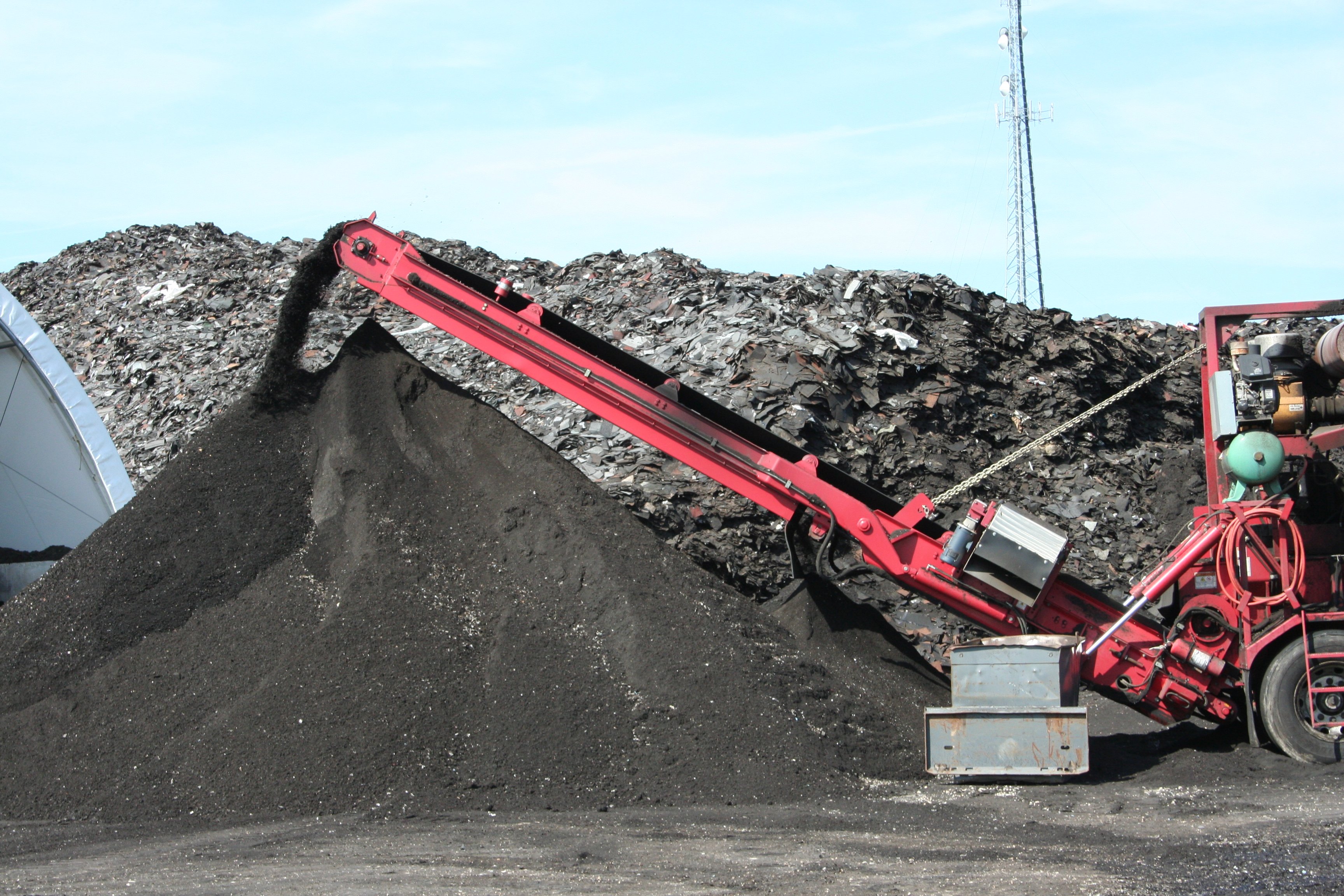
Recycled asphalt shingles (RAS) are often used in pavement asphalt, which is both environmentally and economically friendly

Green Infrastructure: A Storm Water Management System

Posted by J. Mrugacz on Aug 10, 2012

Asphalt and modern life go hand-in-hand, but without proper planning and implementation, asphalt can cause negative consequences for the environment and people.  That’s why Wolf Paving cares about green infrastructure.

What is Green Infrastructure?

A good definition comes from The Conservation Fund:  “Green infrastructure is strategically planned and managed networks of natural lands, working landscapes and other open spaces that conserve ecosystem values and functions and provide associated benefits to human populations.”

A Brief History on Asphalt Pavement

Posted by J. Mrugacz on Aug 7, 2012

Asphalt is closely associated with modern life, but did you know it’s actually an ancient, naturally occurring material with a rich history?