Asphalt Paving Blog

3 Driveway Pros & Cons: Gravel vs. Asphalt Paving

Posted by J. Mrugacz on Aug 19, 2014

Driveways are oftentimes one of the most overlooked areas of home construction and maintenance, although one of the first aesthetic components of your home that visitors notice.

The material used for your driveway can have a significant impact on not only the way it looks, but it also affects its durability and function. There are many factors to consider when choosing which type of material to use when laying a residential driveway.

While it’s always important to lean on the consultation of an installation expert, some factors that will help you make the appropriate decision include:

  • cost
  • soil type
  • climate
  • appearance and
  • usage

This helpful guide will get you on the path to choosing the best driveway for your home and will provide pros and cons for two of the most common driveway surfaces – gravel and asphalt.

Gravel Driveways

Gravel is a common surface material for driveways throughout the United States. The crushed stone used in many applications can be easy to maintain and available in a various array of colors. Installation of a gravel driveway should be conducted by an experienced grade operator to minimize ongoing maintenance. Additional factors to be considered include the following pros & cons:

Pros:

  1. Easy on your budget. Gravel is one of the most affordable surface material options available - especially for homes with long driveways. However, top-dressing the gravel material will be required every few years.
  2. Easy to maintain. Many consider a gravel driveway as easy to maintain as a paved surface. Gravel may sink due to environmental conditions such as rainwater or snow. Filling in sunken areas caused by weather conditions may need to be done a few times a year. Because gravel is permeable, it is an environmentally friendly product that allows replenishment of ground water.
  3. Diverse style. Depending on the style of your home, gravel can oftentimes bring out the beauty of your exterior landscape more so than many other materials. Whether you like a rustic or more modern feel, gravel can be obtained in a variety of options.
  4. Quick installation. As one of the easiest driveway materials in terms of installation, laying a gravel driveway and allowing it to settle will take less than a week. Once installed, it can be used immediately

Cons:

  1. Climate and snow removal disturbs rocks. One major con to choosing a gravel driveway surface (especially living in the Midwest) is the challenge faced with snow and ice removal. During winter months, removal of snow can be difficult. Oftentimes, using salt or sand on top of the snow & gravel can be the only solution to make the surface slip-free.
  2. Ruts and sinkholes may form. Gravel driveways that have a high level of usage may be prone to developing ruts. Ruts are gaps or holes in the surface that will need to be filled to keep the area smooth and looking good.
  3. It can be dirty. Driving down a gravel driveway can cause dust, debris and dirt to fly – especially in the dry summer months. This may cause the exterior of your home to become dirty and require frequent cleaning.

Asphalt Driveways

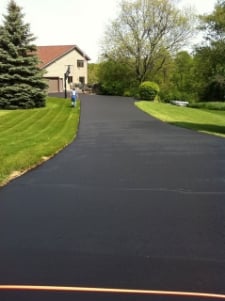
Like gravel, asphalt is an economical driveway surface choice, although price may fluctuate due to the material being an oil-based product. A properly installed asphalt driveway will act similar to a concrete surface, but at a lower cost. Additionally, because asphalt is a petroleum product, it is flexible which makes it less susceptible to fluctuating Midwest temperatures and climate conditions. The following pros & cons will help you determine if asphalt is the right choice for you:
Pros:

  1. Economical option. Homeowners appreciate the sleek appearance of an asphalt-paved driveway at a lower cost than concrete or paver surfaces.
  2. Flexible in extreme climate conditions. Asphalt driveways typically cost $2 - $5 per sq foot to install - more than gravel, but much less than many other options.
  3. Long lifespan. With proper maintenance, an asphalt driveway will last anywhere from 12 – 35 years depending on installation, climate, usage and other factors. Like most elements of your home, the better you take care of it, the longer it will last.

Cons:

  1. Style limitations. If style and color are a major consideration for your exterior landscape, an asphalt-paved driveway will present certain limitations. Although it compliments the color and tone of most homes, black is the only option available for asphalt applications.
  2. Required maintenance. It is recommended that a homeowner clean their driveway with a broom and power washer at least two times a year to remove dirt and debris. Seal coating of the pavement is required every two to five years and cracks and holes should be repaired as soon as possible.
  3. Can be damaged during extreme heat. Homes located in warm climates may be susceptible to driveway damage caused by fluctuation in temperature – particularly extreme heat. When asphalt heats, it can become pliable and soft which causes indentations and marks.

How to Repair Asphalt Pavement Over a Culvert

Posted by Jim May on Aug 12, 2014

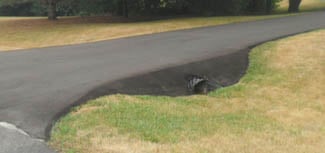
In both residential and commercial paving projects, there are cases where paving over a culvert takes place. A culvert is a structure that allows water to flow under a road, railroad, or driveway. Culverts may be used to form a bridge-like structure to carry traffic, and come in many sizes and shapes including round, elliptical, flat-bottomed, pear-shaped, and box-like constructions.
3 Causes of Unstable Soil (And How to Fix It)

Posted by J. Mrugacz on Aug 5, 2014

When starting a paving project, you never know what you may run into. Situations can occur where once the excavation has started, the soil, or base, below the old asphalt is too soft and unstable. Because of this, simply paving new asphalt on top of the base is not an option anymore and a new asphalt solution needs to be explored.


3 Reasons to Consider Asphalt Shingle and Concrete Recycling

Posted by J. Mrugacz on Jul 22, 2014

Recycling once was uncommon in the roofing industry. Now it is increasing as an ecofriendly and economically wise method to dispose of and reuse material from old concrete and asphalt-shingled roofs.

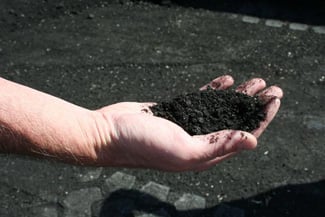
Traditionally, the industry's "green practice" involved overlaying an existing roof with another layer of shingles, but this method only delayed the inevitable disposal. These days, many roofing professionals have shingle material ground up for reuse rather than sending it to landfills. This material can be used to improve the quality of roadway pavement.

3 Reasons To Choose Asphalt For New Home Driveway Construction

Posted by J. Mrugacz on Jul 15, 2014

There are many decisions to be made and factors to consider when building or purchasing a newly constructed home. During the construction process, driveway features are oftentimes overlooked but typically the first impression a visitor or prospective buyer will notice about a home. Choosing what type of driveway can be a big decision that impacts the overall curb appeal of the home and functionality of exterior space. Options such as asphalt, concrete and interlocking pavers are available – all with very different aesthetic and performance qualities. Geographic location can play a significant role when deciding what material is best for new driveway construction – especially if you live in cold or wet climates. Here are 3 reasons why asphalt is the best option for home-builders or buyers in the Midwest: